A roof leak can start as a small damp patch on a ceiling before developing into a more serious problem. Water entering through damaged tiles, worn roof coverings or failing joints can affect loft insulation, timber and interior finishes if the underlying issue is not addressed. Identifying the cause early helps prevent further deterioration and makes it easier to determine the most appropriate repair.
For property owners in Long Eaton, Nottingham, understanding the common causes of roof leaks can help them recognise warning signs and arrange suitable repairs before the damage spreads. Although some leaks are easy to spot, water can travel along roof timbers or beneath coverings, meaning the visible damp patch is not always directly below the source.
Damaged or Slipped Roof Tiles
Broken, cracked or displaced roof tiles are among the common causes of roof leaks. Tiles may become damaged through ageing, weather exposure or impact, while strong winds can move them out of position and leave gaps where rainwater can enter.
A leak may appear as a damp ceiling, water staining in the loft or moisture around the roof’s internal structure. However, the absence of visible damage from ground level does not necessarily mean the roof is watertight.
The repair usually involves inspecting the affected area, replacing broken tiles and repositioning slipped ones. Roofers should also check the surrounding tiles and supporting components to identify any additional damage that could allow water through.
Worn or Damaged Flashing
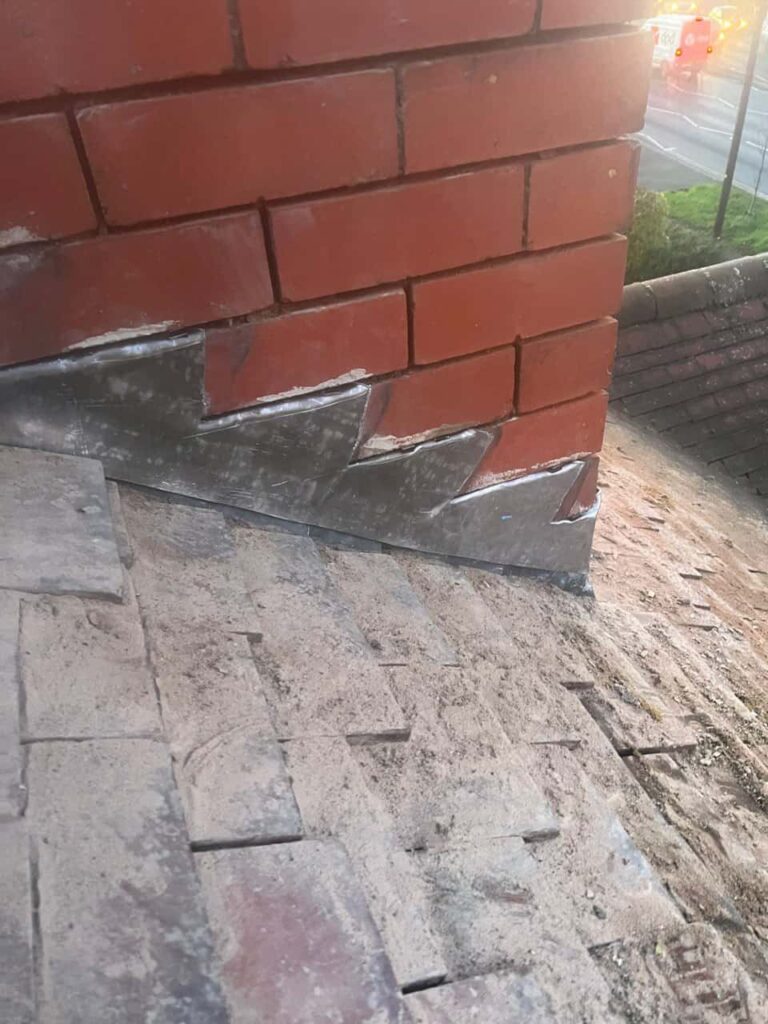
Flashing provides a watertight connection where the roof meets features such as chimneys, walls and roof windows. These junctions are particularly vulnerable because they must accommodate different materials and direct rainwater away from potential entry points.
Over time, flashing can crack, corrode, lift or become detached. Defective joints and deteriorated sealing materials may also allow water to penetrate during wet or windy weather.
A suitable repair depends on the condition of the flashing and the surrounding roof structure. Loose sections may need to be secured, while damaged flashing or failed joints may require replacement or renewed detailing. Simply applying sealant over the visible area may not resolve the underlying problem.
Blocked or Damaged Gutters
Gutters play an important role in directing rainwater away from the roof and building. When they become blocked with leaves, moss and other debris, water can overflow and run down external walls or collect around roof edges.
Cracked gutters, loose joints and incorrectly positioned sections can also allow water to escape where it should not. This may lead to damp patches around eaves, staining on walls or moisture entering the roof space.
Clearing obstructions and removing accumulated debris can restore normal drainage. Where gutters are damaged, leaking joints may need to be repaired or affected sections replaced. It is also important to check that rainwater can flow freely through the downpipes.
Ageing Flat Roof Coverings
Flat roofs can develop leaks as their waterproof coverings deteriorate. Felt may split, seams can separate and other roofing membranes may become damaged through weather exposure or movement in the underlying structure.
Water can also collect in low spots where drainage is poor, placing additional strain on the roof covering. If moisture penetrates the surface, it may affect the materials beneath and cause internal dampness.
Repairs depend on the type and extent of the damage. A localised defect may be suitable for a targeted repair, while widespread deterioration could mean that a larger section of the covering needs attention. A professional inspection helps establish whether repairing the existing surface is a practical long-term solution.
Damaged Roof Valleys and Poor Drainage
Roof valleys channel rainwater away from the meeting points between sloping roof sections. Because they carry water from relatively large areas, defects in these locations can allow significant amounts of moisture to enter the roof.
Leaks may develop when valley materials crack, joints deteriorate or debris restricts water flow. Damaged underlay or poorly fitted components can also contribute to water penetration.
Repair work may involve removing debris, replacing damaged valley materials or correcting defective joints. The surrounding tiles and roof structure should also be inspected to make sure water is being directed safely towards the drainage system.
How to Recognise a Roof Leak Early
Roof leaks do not always produce immediate or obvious signs. Regularly checking accessible areas of the property can help you identify developing problems before they cause more extensive damage.
Look out for:
- Brown or yellow stains on ceilings and upper walls.
- Peeling paint or bubbling plaster near the roofline.
- Damp or musty smells in the loft.
- Wet insulation or visible moisture on roof timbers.
- Missing, cracked or displaced tiles visible from the ground.
- Water overflowing from gutters or running down external walls.
These signs can have different causes, so it is important to identify where the water is entering rather than treating only the visible damage. Avoid climbing onto the roof yourself, particularly in wet or windy conditions.
Professional Roof Leak Repairs in Long Eaton, Nottingham
Effective roof leak repairs begin with identifying the source of the water. Replacing a damaged tile may resolve one problem, but persistent leaks can involve several defects, including deteriorated flashing, damaged underlay or drainage issues.
Long Eaton Roofing Repairs can help property owners identify roofing problems and arrange suitable repairs based on the condition of the roof. A thorough inspection helps establish the likely cause of the leak and the work needed to restore the roof’s weather resistance.
If you have noticed damp patches, dripping water or signs of roof damage, contact Long Eaton Roofing Repairs to discuss your concerns and arrange a professional assessment in Long Eaton, Nottingham.
Conclusion
Roof leaks can result from damaged tiles, defective flashing, blocked gutters, ageing flat roof coverings and problems with roof valleys. Although the symptoms may look similar, each cause requires an appropriate repair to prevent water from continuing to enter the property.
Acting promptly can help limit damage to ceilings, insulation and roof timbers. If you suspect a leak, professional assessment from Long Eaton Roofing Repairs can help identify the underlying issue and determine the most suitable repair for your property in Long Eaton, Nottingham.
Call us on: 0115 647 1193
Click here to find out more about Long Eaton Roofing Repairs
Click here to complete our contact form and see how we can help with your roofing needs.