Small roofing defects can be easy to overlook, particularly when they do not immediately cause leaks or visible damage inside the property. A slipped tile, minor crack or loose section of flashing may appear insignificant, but even a small weakness can allow moisture to enter and gradually affect other parts of the roof.
For property owners in Long Eaton, Nottingham, dealing with roofing problems early can help prevent minor defects from developing into more extensive issues. Long Eaton Roofing Repairs provides professional roofing services to identify damage, carry out suitable repairs and help maintain the condition of your roof.
How Minor Roofing Problems Can Develop Into Serious Damage
Small Roof Leaks Can Lead to Hidden Moisture Problems
A minor leak does not always produce an obvious drip or puddle. Water can travel along roof timbers, underlay and other surfaces before becoming visible on an internal ceiling or wall.
Even a small amount of repeated moisture can contribute to damp patches, damaged plaster, timber deterioration and mould growth. By the time staining appears indoors, water may have been entering the roof space for some time.
Having suspected leaks investigated early can help identify the source before moisture affects a wider area.
Cracked or Slipped Tiles Leave the Roof Vulnerable
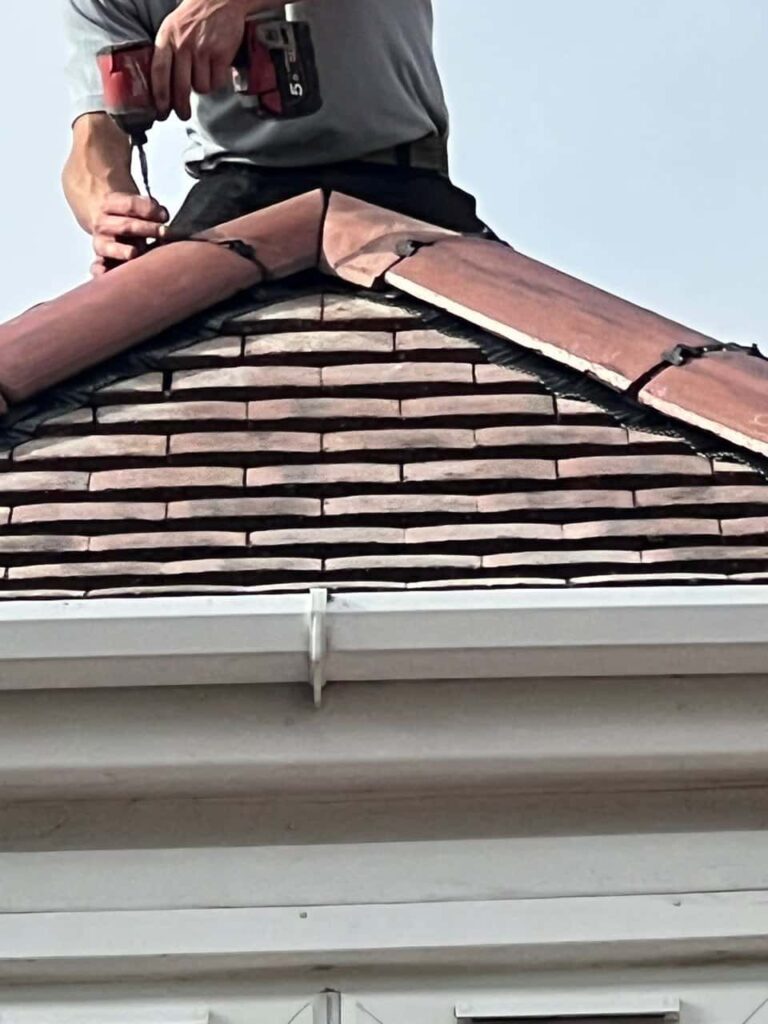
Roof tiles are designed to overlap and form a protective covering that directs rainwater away from the structure. When a tile cracks, slips out of position or becomes loose, the protective layer can be compromised.
Wind-driven rain may then reach the underlay or vulnerable sections beneath the tiles. Nearby tiles can also become more exposed to movement and further damage.
Replacing or securing damaged tiles promptly helps restore the roof covering and reduces the likelihood of water entering the structure.
Damaged Flashing Can Allow Water Through Roof Junctions
Flashing protects areas where the roof meets other building features, including chimneys, walls and roof valleys. These junctions are particularly important because changes in roof direction can create potential entry points for rainwater.
Small gaps, lifted edges or cracks in flashing may allow water to penetrate gradually. If left unattended, moisture can affect surrounding masonry, roof timbers and internal finishes.
A professional inspection can establish whether the flashing needs resealing, repairing or replacing.
Blocked or Damaged Gutters Can Affect the Roofline
Gutters and downpipes play an important role in directing rainwater away from the property. When gutters become blocked, loose or damaged, water may overflow and run down external walls or collect around roof edges.
Persistent overflow can contribute to dampness, staining and deterioration of fascia boards and other roofline components. In colder conditions, trapped water can also freeze and place additional stress on the affected sections.
Keeping drainage components clear and addressing visible defects helps protect the roofline and the surrounding structure.
Minor Roofline Damage Can Allow Wind and Rain In
Loose ridge tiles, damaged soffits and deteriorating fascia boards may initially appear to be minor issues. However, these components contribute to the protection and stability of the roof.
Gaps around roofline features can allow wind-driven rain and debris to enter vulnerable spaces. Loose materials may also become increasingly unstable during periods of strong winds.
Addressing these defects helps maintain the integrity of the roof and reduces the risk of further deterioration.
Repeated Small Repairs May Indicate a Wider Problem
If similar roofing defects keep returning, the issue may extend beyond individual damaged components. For example, recurring slipped tiles could be associated with deteriorating fixings or ageing battens, while repeated leaks may indicate problems with the underlay or roof structure.
Rather than treating each symptom separately, it is important to understand why the damage is occurring. A thorough assessment can help determine whether targeted repairs will be sufficient or whether a more extensive roofing solution is needed.
Why Prompt Professional Roofing Repairs Matter
Roofing problems are not always easy to identify from ground level. Some defects may be hidden beneath tiles or located around difficult-to-see junctions.
Long Eaton Roofing Repairs can assess visible damage, investigate potential sources of water ingress and recommend suitable repair work. Dealing with defects at an early stage helps maintain the roof’s protective function and can prevent avoidable damage to other parts of the property.
Homeowners should avoid climbing onto the roof to investigate problems themselves, as damaged or wet surfaces can be hazardous.
Conclusion
Small roofing defects should never be dismissed simply because they appear harmless. Cracked tiles, minor leaks, damaged flashing and blocked gutters can all develop into more serious problems when left unresolved.
If you have noticed signs of roof damage at your property, contact Long Eaton Roofing Repairs for professional assistance in Long Eaton, Nottingham. Prompt attention can help identify the cause, restore vulnerable areas and keep your roof performing as it should.
Call us on: 0115 647 1193
Click here to find out more about Long Eaton Roofing Repairs
Click here to complete our contact form and see how we can help with your roofing needs.